





Brazil knows
solidarity.

The Brazil Giving Survey 2024 shows that 78% of the population made some form of donation — whether through money, goods, or time.

However, according to the 2025 Portrait of Solidarity survey, 70% of respondents said they never discuss donations to civil society organizations.

Low levels of recurring giving are closely linked to the limited presence of the topic in everyday conversations.

This willingness coexists with an important gap between an occasional gesture and a culture in which giving is a recurring practice and recognized as part of the exercise of citizenship.

This willingness coexists with an important gap between an occasional gesture and a culture in which giving is a recurring practice and recognized as part of the exercise of citizenship.

We want a country with
a vibrant giving culture!

Benera

We believe in abundance

Resources exist. We work to ensure they circulate in orchestrated and collaborative ecosystems to attain systemic impacts.

We activate shared responsibility

A more just society is a collective endeavor. Strengthening a culture of giving means expanding participation, promoting citizenship, and enabling society’s capacity to build futures together.

We nurture trust

Trust is the invisible infrastructure of a giving culture. It enables resources to circulate, strengthens organizations, and sustains lasting relationships.

We believe that strengthening a culture of giving means strengthening society’s capacity to build its own future, creating a more just and democratic society.


We believe that strengthening a culture of giving means strengthening society’s capacity to shape its own future — and, by doing so, build a more just and democratic society.

Our way of working

We work so that more people give and civil society organizations have greater access to resources.

01

Understand

We listen, produce and organize data, reveal connections, track changes, and turn knowledge into questions that improves decision-making.

02

Connect

We bring people, organizations, perspectives, and resources together, creating spaces for collaboration, and supporting agendas that depend on collective action.

03

Fund

We ensure that flexible, catalytic resources reach organizations, leaders, mechanisms, and initiatives capable of strengthening the field over in the long term.

Our Strategy

Fundo Benera

Benera Program
for Fostering
a Culture of Giving

We mobilize resources to strengthen those who drive the culture of giving forward.

Goal:
R$ 10 million over 3 years.

Starting in 2026

Direct support

Starting in 2027

Benera Challenge

Starting in 2028

Benera Fellows

Who we are

Founders

Rodrigo Pipponzi

Chair of the Board

Rodrigo Pipponzi is a social entrepreneur, founder and board member of Instituto ACP, and co-founder of Instituto Benera. He holds a degree in Business Administration from FGV-SP, with executive education at Stanford and Harvard. He is also co-founder of Grupo MOL, an ecosystem of initiatives that has already mobilized more than BRL 90 million for social organizations. He has worked for years to strengthen philanthropy and the culture of giving in Brazil and serves on national and international networks and boards in the field.

Bianca Quartiero

Partnerships

Bianca Quartiero is a social entrepreneur and co-founder of Instituto Benera. She holds a degree in Journalism and a postgraduate degree in Sustainability from Insper. She works in the social and environmental impact field, focusing on strengthening philanthropy and building a more collaborative and strategic giving ecosystem in Brazil. She participates in networks and forums that bring together companies, civil society organizations, and new generations to mobilize resources for social and environmental causes.

Mariana Campanatti

Executive Director

Mariana Campanatti is a communications professional, social entrepreneur, and Executive Director of Instituto Benera. For more than 15 years, she has worked at the intersection of communications, culture, social impact, and philanthropy. She previously served as Executive Director of Instituto MOL, where she led initiatives focused on strengthening Brazil’s culture of giving. She holds a degree in Social Communication from ESPM and participated in the Executive Program in Philanthropy and Social Impact at the Stanford Center on Philanthropy and Civil Society.

Board

Ana Sarkovas

Ana Sarkovas Guarita is co-founder of ECOA Capital, an initiative dedicated to strengthening businesses, organizations, and people responding to the challenges of our time. She holds degrees in Social Sciences from the University of São Paulo (USP) and Communications from ESPM, and has built her career at the intersection of sustainability, investment, impact, and communications. She previously served as Executive Director of Sistema B Brasil, where she is now an Emeritus Member, and is also co-founder of SO|BR – Steward Ownership Brasil.
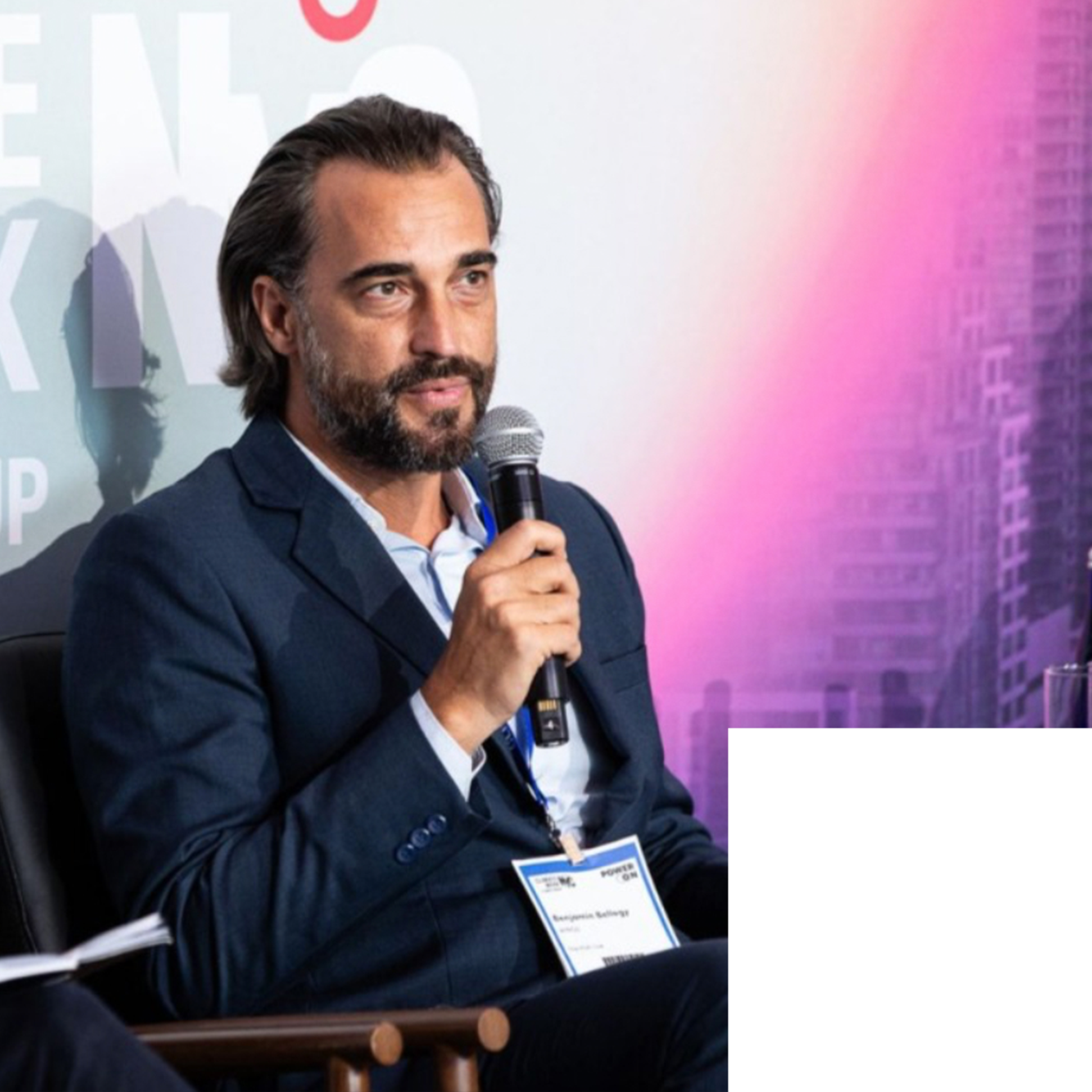
Benjamin Bellegy

Benjamin Bellegy is a global leader in philanthropy and Executive Director of WINGS, the world’s largest international network of philanthropy support organizations, bringing together more than 250 members across 60 countries. Throughout his career, he has developed platforms, partnerships, and funding models aimed at systemic change. He works to position philanthropy within global forums such as the UN, OECD, and G20, and is a leading voice on locally led development, participatory philanthropy, and philanthropic ecosystem building.
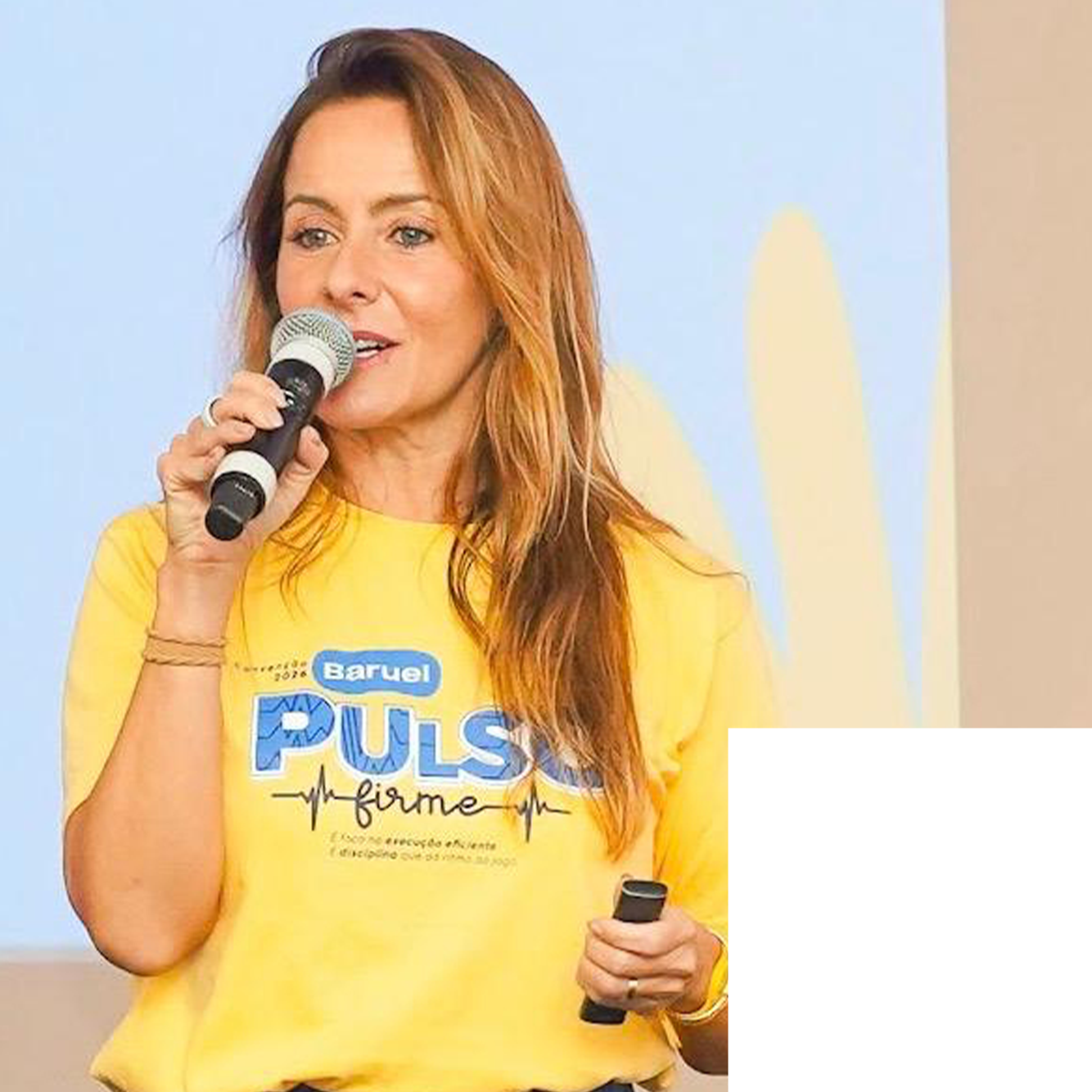
Carol Moraes

Carolina Moraes has been CEO of Baruel since 2016 and represents the second generation of her family to lead the company. With more than 20 years of experience in the consumer goods sector, she has built a career spanning Marketing, Sales, Finance, Strategy, and Management. She holds a degree in Business Administration from ESPM, an MBA from Insper, and executive education from Harvard Business School. At Baruel, she leads an agenda focused on growth, innovation, professionalization, stronger governance, and ESG practices.
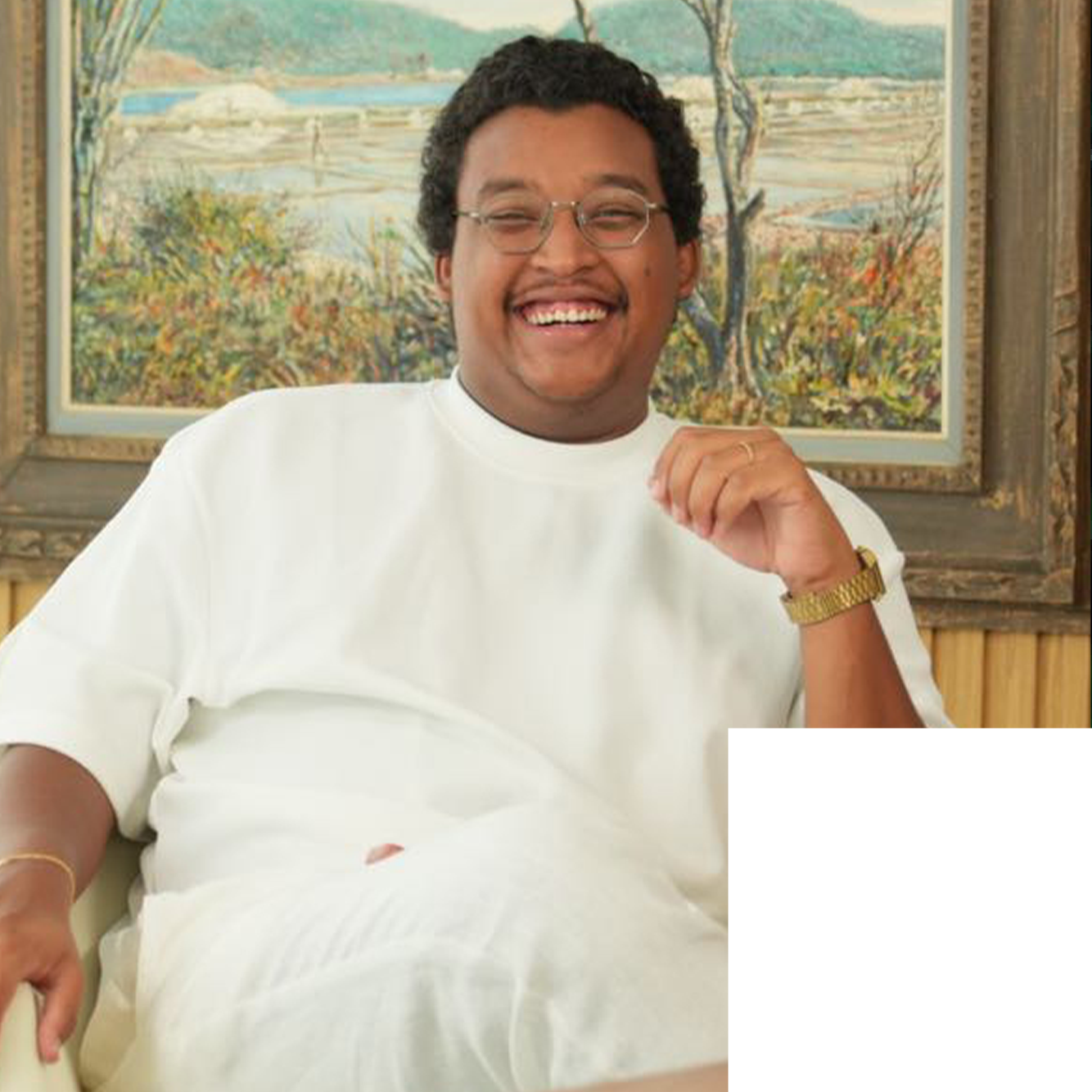
Gelson Henrique

Gelson Henrique is a sociologist, holds a Master’s degree in Public Policy, and serves as Executive Director of Iniciativa PIPA, an organization dedicated to democratizing access to philanthropic resources in Brazil. He is Vice Chair of the Board of ActionAid Brazil and was recognized by Ashoka Brazil as one of the young leaders transforming Brazilian democracy. His work focuses on advancing a critical approach to philanthropy that addresses inequality and expands the flow of resources to organizations and initiatives in Brazil’s peripheral communities.
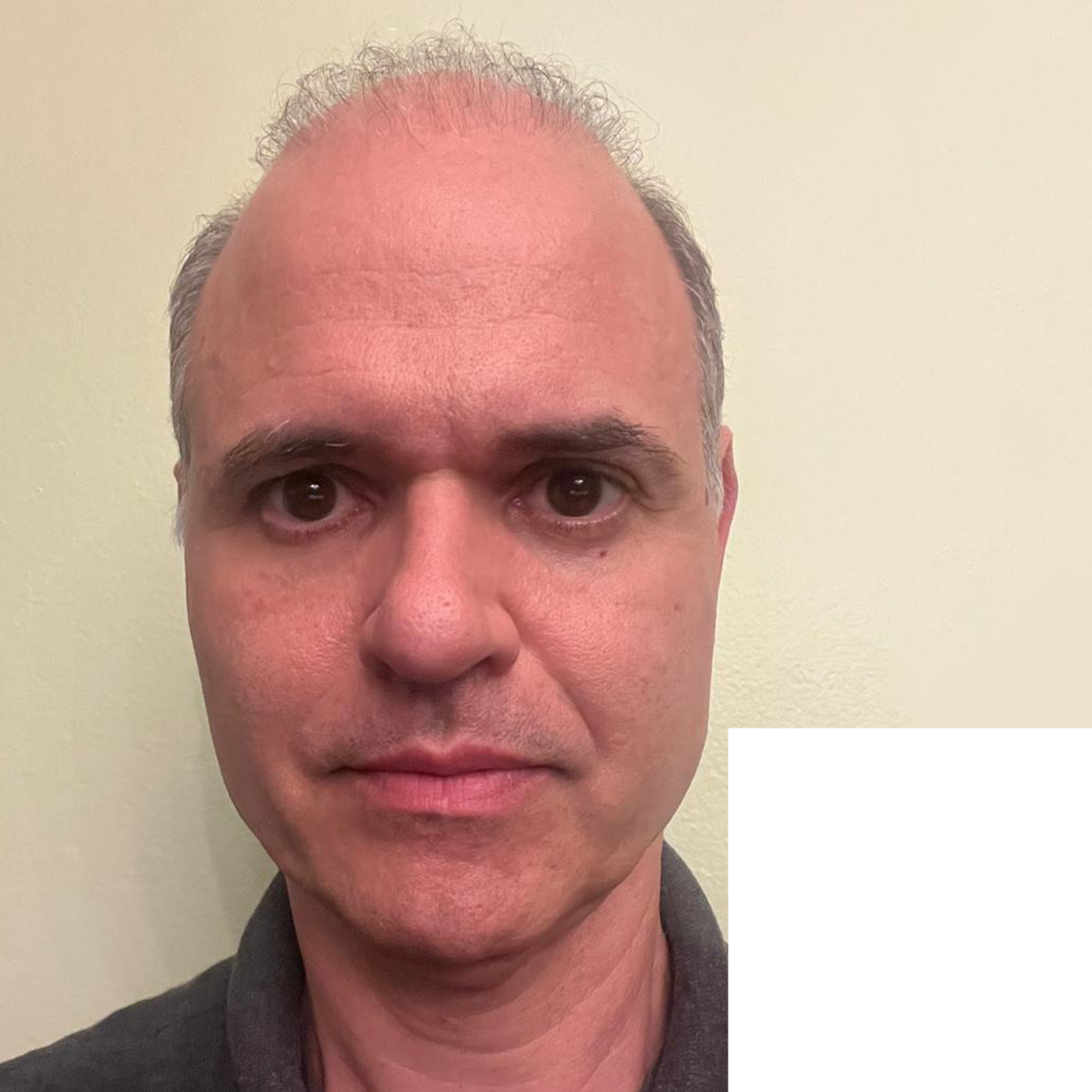
Paulo Funchal

With degrees in Naval Engineering and Economics and a Master’s in Energy Economics, he has built a solid career in finance, strategy, and governance, with decades of experience in corporate management and project development. In recent years, he has also brought his experience and systemic perspective to the social sector, contributing to nonprofit organizations. His work focuses on strengthening philanthropy and social impact initiatives through his expertise in management, governance, and the strategic assessment of risks and opportunities.
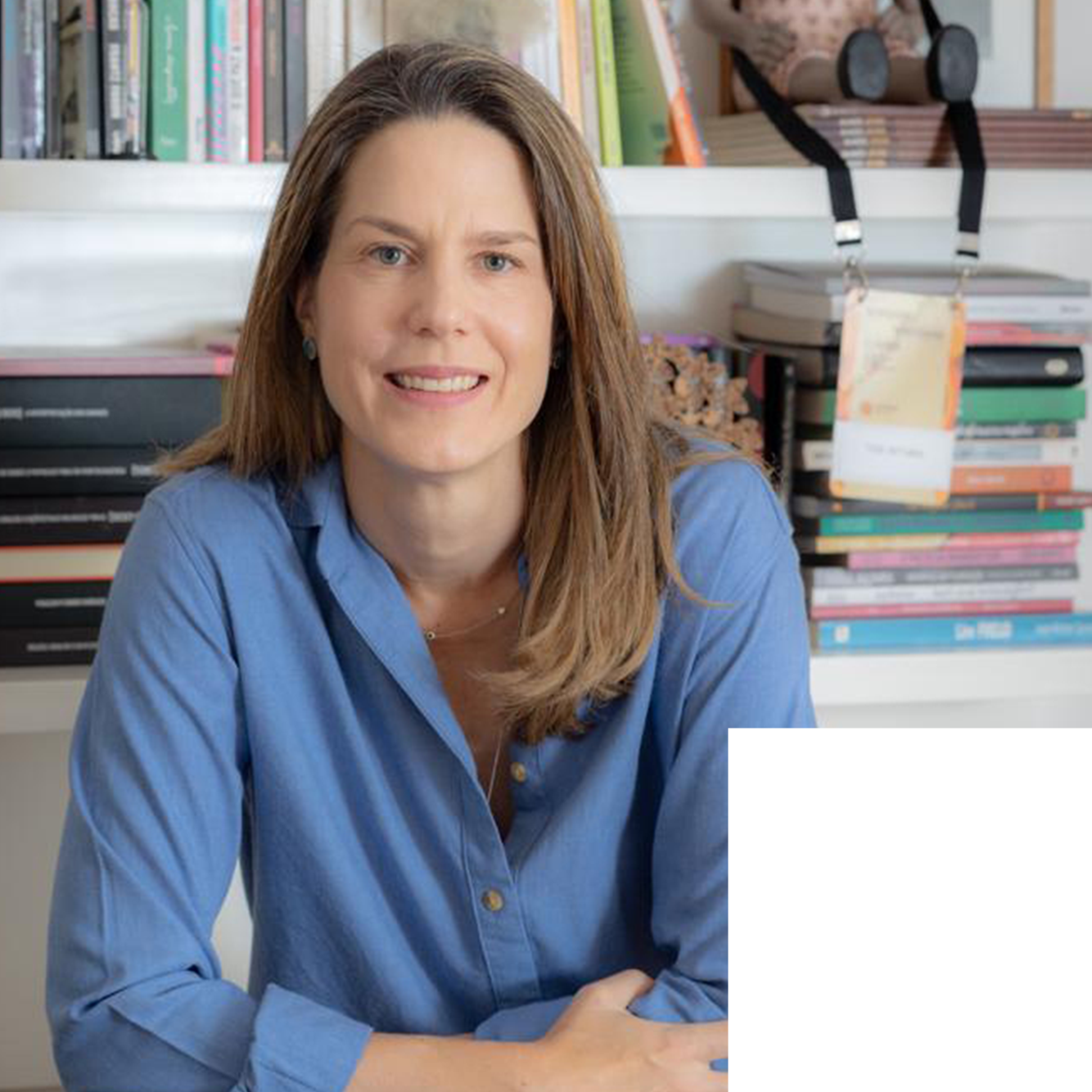
Tide Setubal

Tide Setubal is a psychologist and psychoanalyst with a Master’s degree from Université Paris V. She is a member of the Department of Psychoanalysis at Instituto Sedes Sapientiae, where she also teaches. She serves as Executive Advisor to the Mental Health and Peripheral Territories Program and Fundação Tide Setubal, and is a member of the Itaú Educação e Trabalho Committee and the Advisory Board of Santa Plural. Her career bridges clinical practice and psychoanalytic education with social and institutional initiatives.


Content

How does an ecosystem learn about itself?

This question gave rise to the work presented here.
It emerged when Instituto Benera decided to begin its journey in an unusual way. Before defining programs, projects, or investment lines, it chose to deeply understand Brazil’s giving culture ecosystem.

Click to access
the content

*coming soon

An inaugural publication by Instituto Benera on a giving culture that can be built in Brazil.

This publication was conceived for public circulation. Its content comprises brings together the Institute’s vision, recent evidence, and insights produced during the first stage of research.

Click to access
the content

*coming soon

Learning Community

A space to collectively build knowledge and explore ideas.

Culture is built in community.

Those who support Benera become part of the Benera Learning Community.

A space for people and organizations committed to thinking, learning, and collectively building an action plan for driving a culture of giving in Brazil.

01

Learn

Access and discuss research, studies, and trends relevant to the field.

02

Exchange

Share experiences, challenges, and learnings among peers.

03

Build

Take part in strategic conversations about priorities and pathways for the field.

04

Connect

Become part of a qualified network of people and organizations committed to this transformation.

Partners

Stay up to date

If you are interested in receiving content we develop, please fill in your details below:

Get in touch with
us:

contato@benera.org.br